Addis Ababa

The Political and Cultural Capital
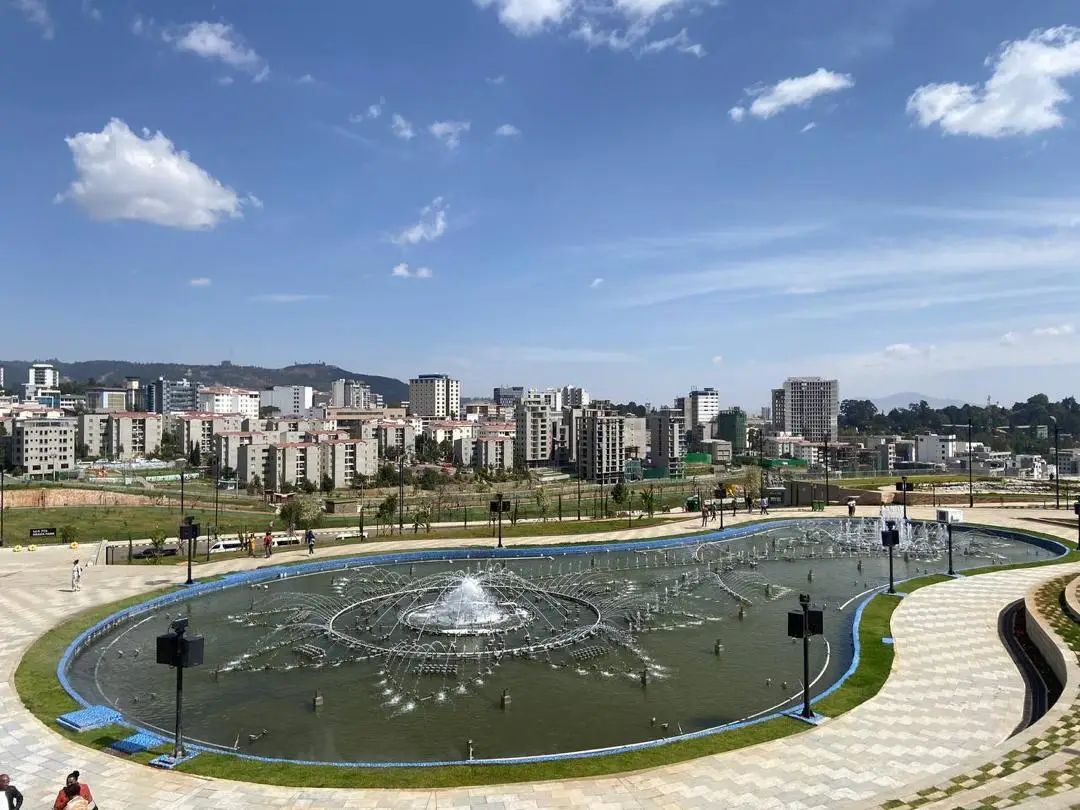
Founded in 1887 by Emperor Menelik II, Addis Ababa means “New Flower” in Amharic. The city is the political capital of Africa and home to the African Union. It features Merkato, East Africa’s largest open-air market, where almost anything can be found. Major landmarks include St. George’s Cathedral and Holy Trinity Cathedral, both offering insight into Ethiopian Orthodox Christianity. The National Museum of Ethiopia houses priceless artifacts, including the famous hominid fossil “Lucy.”
Harar

The City of Saints
The historic city of Harar is a UNESCO World Heritage Site, famous for its ancient walls, winding alleyways, and numerous mosques. It is one of the holiest cities in Islam and a vibrant center of culture and tradition.
Bahir Dar

Lake Tana
Bahir Dar lies on the shores of Lake Tana, Ethiopia’s largest lake and the source of the Blue Nile. The lake is dotted with historic island monasteries known for their stunning murals and frescoes painted in the unique Ethiopian style. The nearby Blue Nile Falls offer a spectacular natural sight. Traditional papyrus boats, known as tankwas, are still used by local fishermen, and the area is rich in birdlife and hippos.
Gondar

The Royal Enclosure
Once Ethiopia’s capital in the 17th century, Gondar is famous for its remarkable Royal Enclosure (Fasil Ghebbi), a UNESCO World Heritage Site. The collection of castles—European in appearance yet distinctly Ethiopian—includes palaces, a chancellery, archives, and ceremonial buildings, standing as symbols of a powerful imperial past.
Axum

Ancient Empire and Sacred City
The northern town of Axum was once the capital of the ancient Axumite Empire and is believed to be associated with the legendary Queen of Sheba. Axum is one of Africa’s great ancient civilizations and a major pilgrimage center today. The Church of St. Mary of Zion, believed by tradition to house the Ark of the Covenant, is guarded by a single monk. Axum is also renowned for its towering stone stelae, carved from single pieces of granite.
Rock-Hewn Churches of Tigray
The rock-hewn churches of Tigray are among Ethiopia’s most mysterious and enchanting sites. Carved into cliffs and mountain faces, many require challenging climbs to reach. These active churches house ancient manuscripts, paintings, and artifacts and offer rare insight into Ethiopia’s spiritual traditions, largely untouched by mass tourism.
Lalibela

Africa’s Petra
The town of Lalibela is home to eleven extraordinary rock-cut churches dating from the 11th and 12th centuries, often called “Africa’s Petra.” Still in active use, these churches are connected by underground tunnels and passages. The most iconic, Bete Giorgis, is carved in the shape of a perfect cross. Lalibela is a major pilgrimage site, especially during Ethiopian Orthodox festivals.
Simien & Bale Mountains National Parks
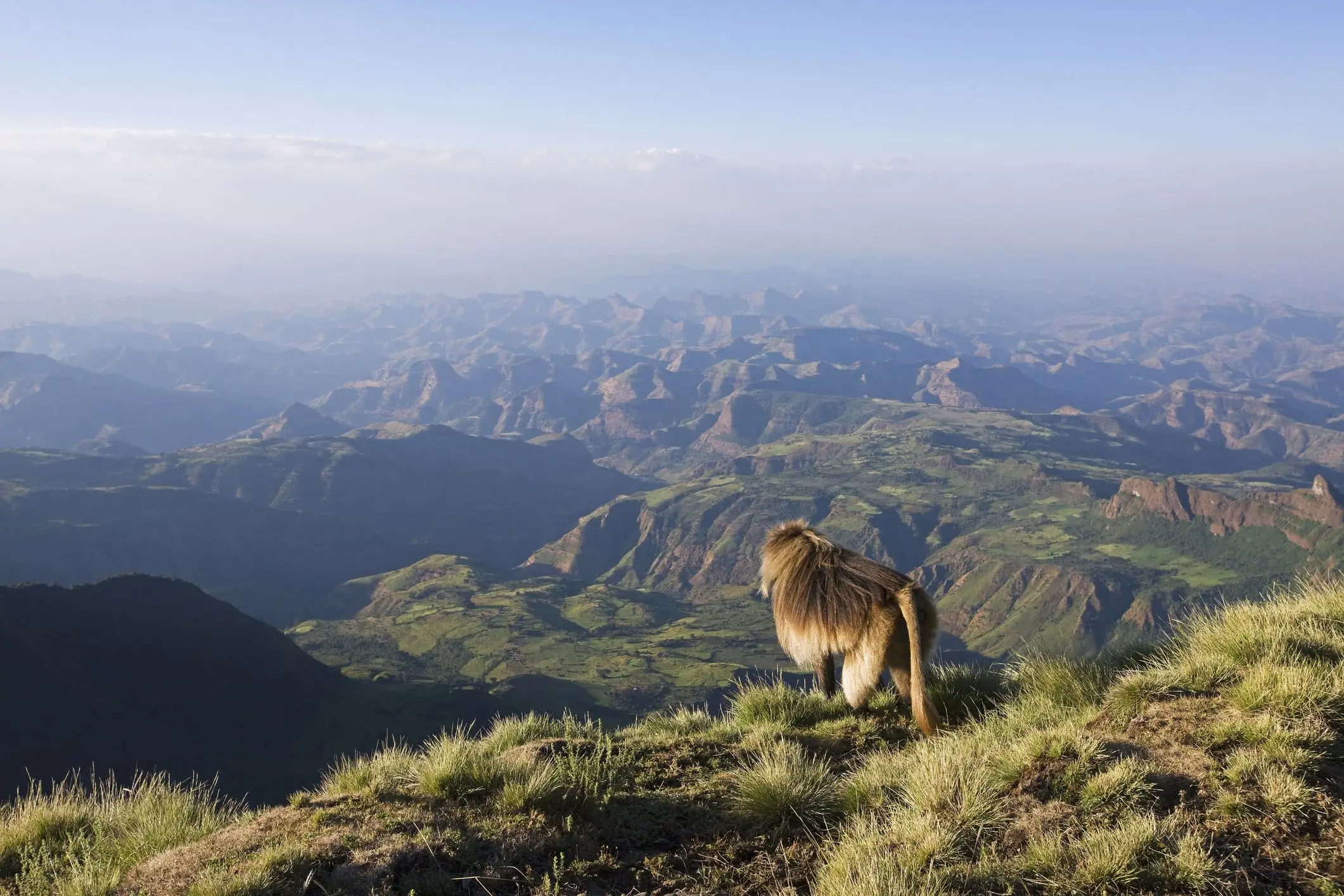
Ethiopia is often called the “Roof of Africa”, as it contains most of the continent’s highland mass. The Simien Mountains National Park, a UNESCO World Heritage Site, features dramatic gorges and peaks, including Ras Dashen (4,543 m), Ethiopia’s highest mountain. The park is home to endemic wildlife such as Gelada baboons, Walia ibex, and the rare Ethiopian wolf. The Bale Mountains National Park offers excellent trekking, birdwatching, and wildlife viewing and is considered one of Africa’s top destinations for endemic species.
Southern Ethiopia & the Omo Valley
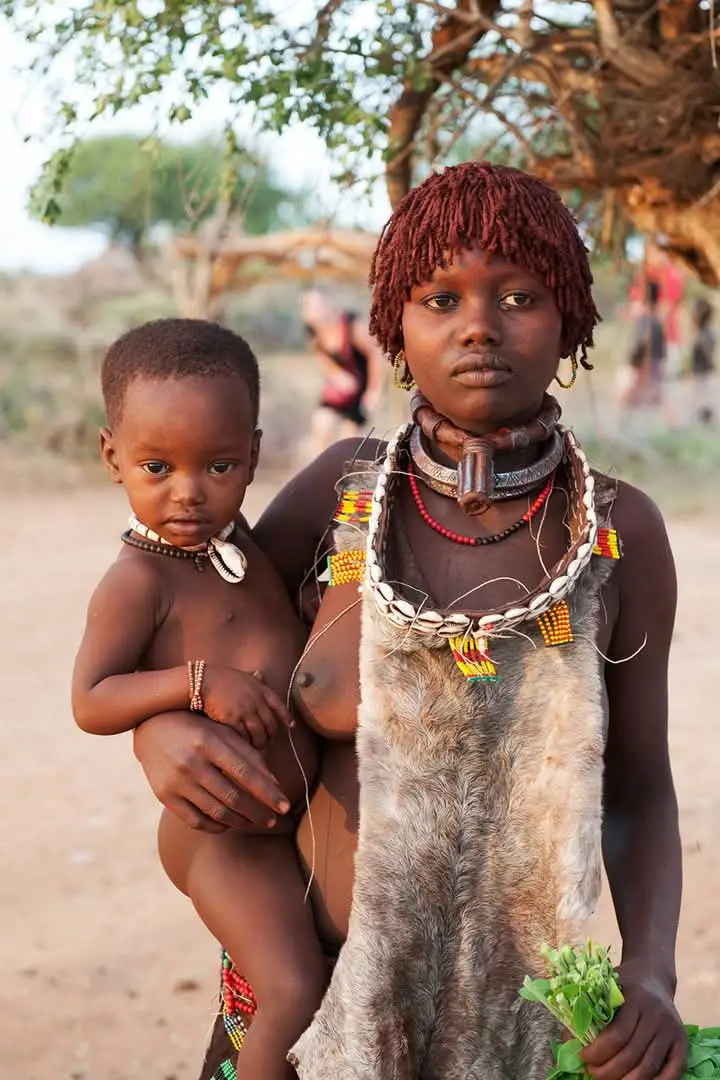
Southern Ethiopia offers a window into ancient tribal cultures and diverse landscapes. From Arba Minch, visitors can take boat trips on Lake Chamo to see crocodiles, hippos, and birdlife. Nearby highland villages such as Dorze and Chencha are known for traditional weaving, pottery, and vibrant markets. Arba Minch also serves as a gateway to the Omo Valley, home to indigenous tribes whose unique customs and lifestyles remain largely unchanged. Traveling through Ethiopia is an unforgettable journey into history, culture, nature, and humanity itself. Explore Ethiopia and experience Africa in its most authentic, raw, and inspiring form.